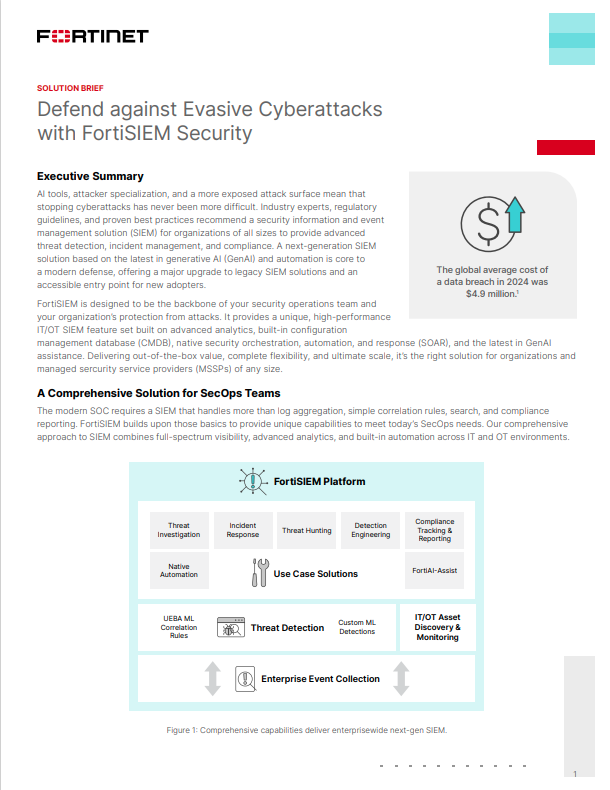
Managing cybersecurity is a major challenge for IT teams, often overwhelmed by the complexity of threats and network environments. SIEM (Security Information and Event Management) solutions simplify the task by providing a centralized, proactive view through the collection, analysis, and correlation of data from various systems.
Why a SIEM solution is essential (but not for everyone)
Cybersecurity professionals face growing challenges: increasing attacks, the use of multiple tools, strict regulatory compliance, and constant pressure to respond quickly to incidents.
SIEM solutions play a key role in:
- Threat Detection: Quickly identifying abnormal behaviors in a complex infrastructure.
- Regulatory Compliance: Generating automated reports to meet compliance standards.
- Incident Management: Supporting fast, coordinated responses to potential attacks.
A well-structured and properly deployed SIEM transforms a complex infrastructure into a secure, manageable, and predictable ecosystem. However, it requires sufficient resources to manage and monitor the SIEM, which may limit its adoption.
Benefits of an effective SIEM
Centralized visibility
A SIEM platform gathers data from multiple systems in real-time, providing a comprehensive view of your IT environment and enabling immediate threat detection. It typically centralizes logs, threat intelligence feeds, vulnerability sources, and information from NDR and EDR tools.
Proactive analysis
With advanced analysis tools, a SIEM identifies correlations between seemingly unrelated events. This intelligence helps prevent incidents before they become critical.
Risk reduction
Continuous monitoring and automated alerts significantly reduce response times. This minimizes both potential damage and productivity disruptions. Additionally, it helps cut through the noise by prioritizing alerts based on importance and criticality.
Simplified compliance
Meeting standards like GDPR or ISO 27001 is easier with a SIEM, which compiles and organizes data in a compliant, easily accessible way for audits or reports.
Common challenges in a SIEM adoption
Despite its benefits, implementing a SIEM solution can seem daunting. Common issues include:
- High data volume to analyze in real-time.
- Lack of internal expertise for configuration and maintenance.
- Integrating multiple tools within a diverse IT structure.
These challenges, while valid, can be addressed with an experienced technology partner. Selecting the right solution, combined with support from a skilled team, ensures smooth integration tailored to your needs.
Choosing and deploying the right SIEM
To maximize your SIEM’s effectiveness, follow these four steps:
1. Assess your business needs
Identify the specific problems you want to solve: compliance, threat detection, or optimizing incident response. These priorities will guide your technology choices.
2. Partner strategically
Partner with a provider that offers not just advanced technology but also integration with your existing processes. Successful adoption requires customization to fit your workflows.
Integrating a SIEM from a provider you already use offers significant advantages, simplifying operations and increasing value.
3. Training and awareness
Invest in training your team to understand the capabilities and limitations of the solution. Collaboration between operational teams ensures effective ongoing management.
4. Continuously Evaluate
Threats constantly evolve. Regularly reviewing your SIEM configuration ensures your security policies remain relevant and strong.
Moving forward with confidence
Integrating a SIEM solution into your cybersecurity strategy is a crucial step to protect your data and operations in an ever-changing technological environment.
Whether facing targeted attacks, complex audits, or the daily management of security, SIEM tools provide the stability and peace of mind needed to move forward with confidence.
Success lies not just in the technology itself, but in how it is applied to your strategic vision. Adopt a robust, tailored SIEM solution to ensure a future where performance goes hand-in-hand with security.